
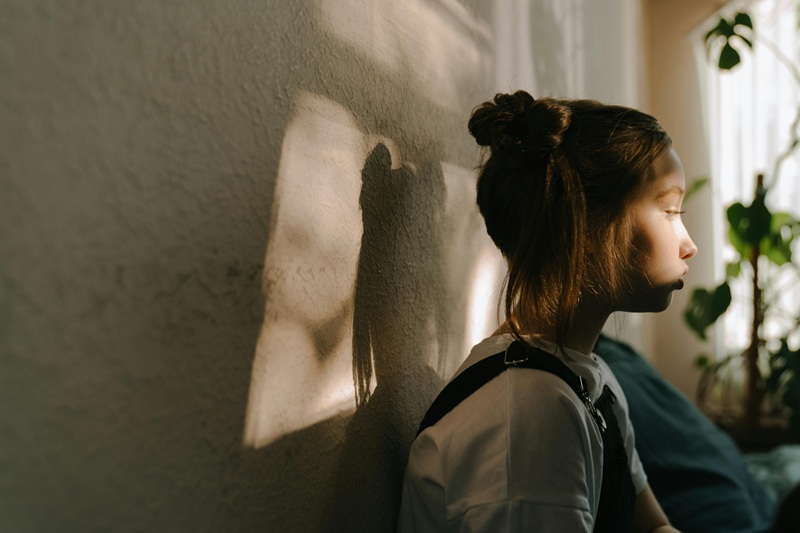
Nurul will be turning 13 this year. She is thoughtful and quick with numbers. Secondary school has been a big leap for her. New subjects, longer days, and friends split into different classes. In the first month, she started avoiding group projects and panicking before oral presentations. At home, she felt “stuck on a loop,” replaying mistakes from the day. Her parents reached out for counselling to help her handle change, social pressures, and the growing expectation to self-manage.
Why does being in secondary school feel so different for her? Adolescents of Nurul’s age begin to redefine their identities when they move to a different school. They juggle heavier workloads, new peer groups, and a stronger pull toward independence. Emotions feel bigger, and social comparisons also sharpen. Some students face bullying or subtle exclusion. This is where counselling offers structured support to help students build coping skills, identity, and a sense of belonging, enabling them to meet rising demands without losing themselves.
Meeting Nurul’s counsellor
Mr Kumar, the resident secondary school counsellor, notes that she responds better to a predictable routine which consists of a short check-in, a five-minute grounding activity, and a plan for one skill to practice. She liked journaling with prompts and calming crafts, such as weaving with paper strips, so he used these to slow her racing thoughts and build her focus. Her counselling goals were clear – to focus on her communication. He works with Nurul on goal setting, and Nurul agrees that she will try to use one sentence in front of a small group and ask a teacher for clarification once per week. She will also use a breathing routine before assessments to help her calm down. Mr Kumar also lets Nurul practise in authentic contexts. With Nurul’s input, they built a toolkit that Nurul could carry into class and around campus:
- Name–Normalise–Navigate strategy, such as “This is anxiety; it’s common during transitions; here’s my plan.”
- Box breathing before speaking or tests.
- Coping cards tucked into a pencil case with two cues: “Breathe, then begin,” and “One step is enough.”
- Micro-exposures: practice reading one line to Mr Kumar, then a pair, then a small group, then the class.
Mr Kumar also kept the sessions culturally affirming. Alongside standard materials, the room included skin-tone sketching sets where Nurul sketched portraits of people important to her, and music from singers in Malaysia, Singapore and Indonesia who sing in English and Malay. With sketching and familiar songs, she can sing beautifully in several stanzas in front of Mr Kumar. These small choices that Mr Kumar adheres to, communicating Nurul’s need, say, “You belong here, as you are.”
Being Calm at Home and Being Courageous at School
Working with parents matters. Mr Kumar coached Nurul’s caregivers in emotion coaching, where they help to identify her emotions and walk with her through the problem-solving journey together. Her Mother is also encouraged to use the weekly check-in using three prompts: “One thing that was hard,” “one thing I handled,” and “one way you can support me next week.”
With Nurul’s form teacher, Mr Kumar, also co-created a simple support plan:
- Presentation ladder: start with pair-shares, then move to small-group talks, followed by brief class segments.
- Choice of roles during group work, where Nurul can practice one sentence asking or expression
- Calm corner in class with a two-minute timer and an agreed signal for short breaks.
- Peer support is available through a buddy who checks in before presentations or transitions.
Mr Kumar also charts meaningful progress, which includes a weekly self-rating (“How prepared did I feel for class?” 1–5), a short teacher checklist on participation and anxiety signs, and session notes. By week four, Nurul presented two sentences to her science group. By week six, she asked a teacher for clarification without prompting and read a short paragraph to the class. She reported fewer rumination spirals at night and started using box breathing before tests. Her groupmates noticed her organisation and invited her to coordinate slides.
Early secondary school is not just more challenging work; it is a chapter of a new identity. With counselling, safe spaces, and supportive adults, students learn to anchor attention, steady breath, and use their voices. Nurul still gets butterflies before speaking, but she stands a little taller, feeling much more prepared, organised, and kinder to herself. That is the heart of developmentally attuned counselling and play-informed practice: it turns daily routines into rehearsals for resilience, so young people step forward with hope, skill, and a clearer sense of who they are becoming.
Kickstart your journey in supporting children and adolescents with a free Diploma in Child and Youth Counselling. This course equips you with practical counselling skills and early intervention strategies to better understand and guide young people through emotional and developmental challenges.
Take the first step today and explore more free training opportunities at Nurture Pods Free Training Courses.
Written by: Alex Liau
Published on 22 April 2026


