
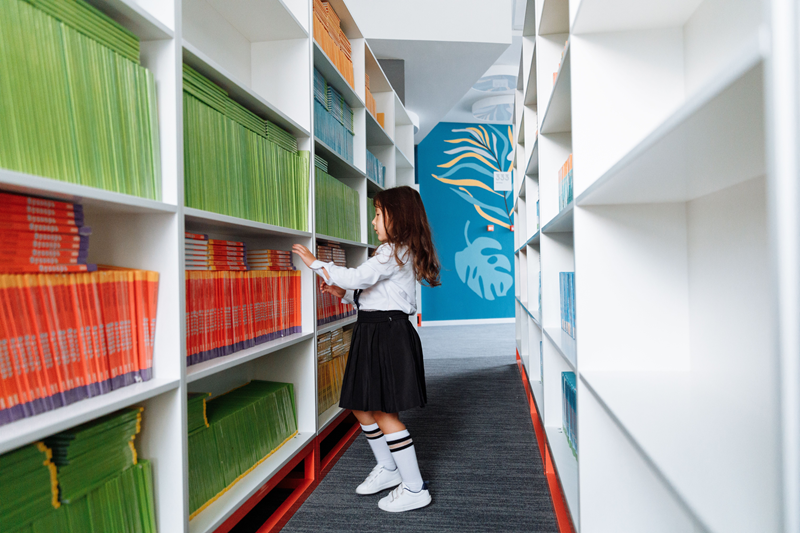
Lina is nine and was born to a Japanese Dad and a Chinese mom. At home, she speaks Japanese and Chinese. She goes to an international school as her parents relocated to the US from Asia. In class, she loves science and talks to her classmates in English. Whenever she is with her grandmother, she switches to her mother tongue, which is Cantonese, and helps her grandmother prepare weekend meals. Lately, she has felt torn. Her teacher encourages her to share opinions in class during English lessons, while her family values quiet respect. She is not encouraged to share her opinion about others at home. When classmates joke about her daily packet lunch, Lina stops bringing it. She doesn’t enjoy canteen food, but she didn’t want to appear odd. She grows quieter in group work and begins to say, “I don’t know,” even when she does. Her parents seek counselling for low confidence and growing school worries.
Lina’s story is an example of cultural differences. Why does culture matter in counselling? Culture shapes how children express emotion, ask for help, and see themselves. It influences family roles, communication styles, and views of authority. In multicultural communities, children often navigate two or more cultures—home and school, each with different expectations. Counselling then becomes the bridge to preserve identity, validate experience, and teach practical skills for moving between settings without losing self.
Building Cultural Safety in Counselling
Lina’s elementary school principal approached Ms Koko for her counselling support services, as she is familiar with Asian children. With Lina, Mr Koko got her to tell stories she liked in languages she was familiar with. Ms Koko needs to find out who the people are that she feels comfortable with – the ones with whom she turns to. Also, she tried to understand what respect looks like at home and in class. Ms Koko uses simple tools to help Lina speak up:
- Identity map containing concentric circles which represented “me,” “family,” “school,” “language,” “faith,” and “friends.”
- The values card containing words like “respect,” “courage,” “kindness,” “achievement,” arranged from “very important” to “less important.”
- Cultural genogram-lite: a family tree noting traditions, migration stories, and heroes.
Culture-responsive practice means adapting methods so they feel familiar and respectful. In the playroom, Lina was offered Chinese, English, and Japanese storybooks; origami crafts for scene-setting; small Chinese drums; and cymbals for sensory regulation. Ms Koko mixed these with skill-building activities:
- Narrative play: Lina used puppets to act out a child who wants to speak up in class while keeping respect for elders. She named feelings, then rehearsed choices.
- Two-scripts strategy: Ms Koko wrote short scripts for two contexts
- Home script: “I hear you, Grandma. I will do it now.”
- School script: “I have an idea. May I share?”
Lina practised switching scripts in different languages, like changing lanes, not identity.
- Multilingual emotion toolkit where Lina has feeling cards in Chinese, Japanese and English. She used these cards with the box breathing activity.
- Strength spotting: Ms Koko asked Lina to name strengths that apply to her culture, such as being helpful, loyal, and patient. She then connected them to classroom actions: leading materials prep, welcoming new classmates, and steadying group projects.
Families and School Collaboration
Family collaboration makes change stick. In brief coaching sessions with Lina’s parents, Ms Koko focuses on one goal, which is to support a confident voice at school. Together they set up:
- Shared phrases: At home, parents tried saying, “We want to hear your idea first,” to signal permission to speak, so that Lina learns to voice out
- Emotion coaching: Parents named feelings and invited coping: “You felt hurt when friends teased your lunch; let’s breathe, then plan what to say tomorrow.”\
With Lina’s teacher, Ms Koko agreed to get her to work on the following:
- A quiet-start routine involves a two-minute warm-up at a calm station to help settle after transitions.
- The participation ladder includes various levels, from using one sentence during the think-pair-share activity to small group participation in class.
- Inclusive classroom cues: visual schedule, trilingual labels for everyday items, and a rotating “culture moment” where any Lina can introduce a word, snack, or story from home if she chooses to opt for it
- Anti-teasing stance: when lunchbox jokes appear, the teacher addresses the issues, affirms dignity and agrees on respectful norms.
After 2 weeks, Ms Koko assessed her progress. Lina rated her daily confidence (1–5), her teacher noted participation steps, and parents tracked two home indicators: willingness to speak at dinner and pride in cultural activities. After four weeks, Lina offered ideas during group work and brought a favourite snack to the class culture table. Teasing reduced as peers experienced varied foods and stories, and Lina’s “two-scripts” practice helped her move between worlds with clarity.
Culturally safe counselling does more than reduce worry. It helps children connect their language, family stories, and faith in classrooms and friendships. Lina still chooses to be quiet sometimes. She also raises her hand and explains a proverb during culture time whenever her teacher or friends speak about Asia. This is the heart of respectful counselling: when children feel seen and secure, they grow resilient, hopeful, and ready to contribute—rooted in who they are and open to who they are becoming.
Explore a free online Diploma in Child and Youth Counselling to gain practical skills and child-centered approaches. Build resilience, confidence, and emotional well-being in young children. Enroll today and start making a positive impact!
Written by: Alex Liau
Published on 15 July 2026


